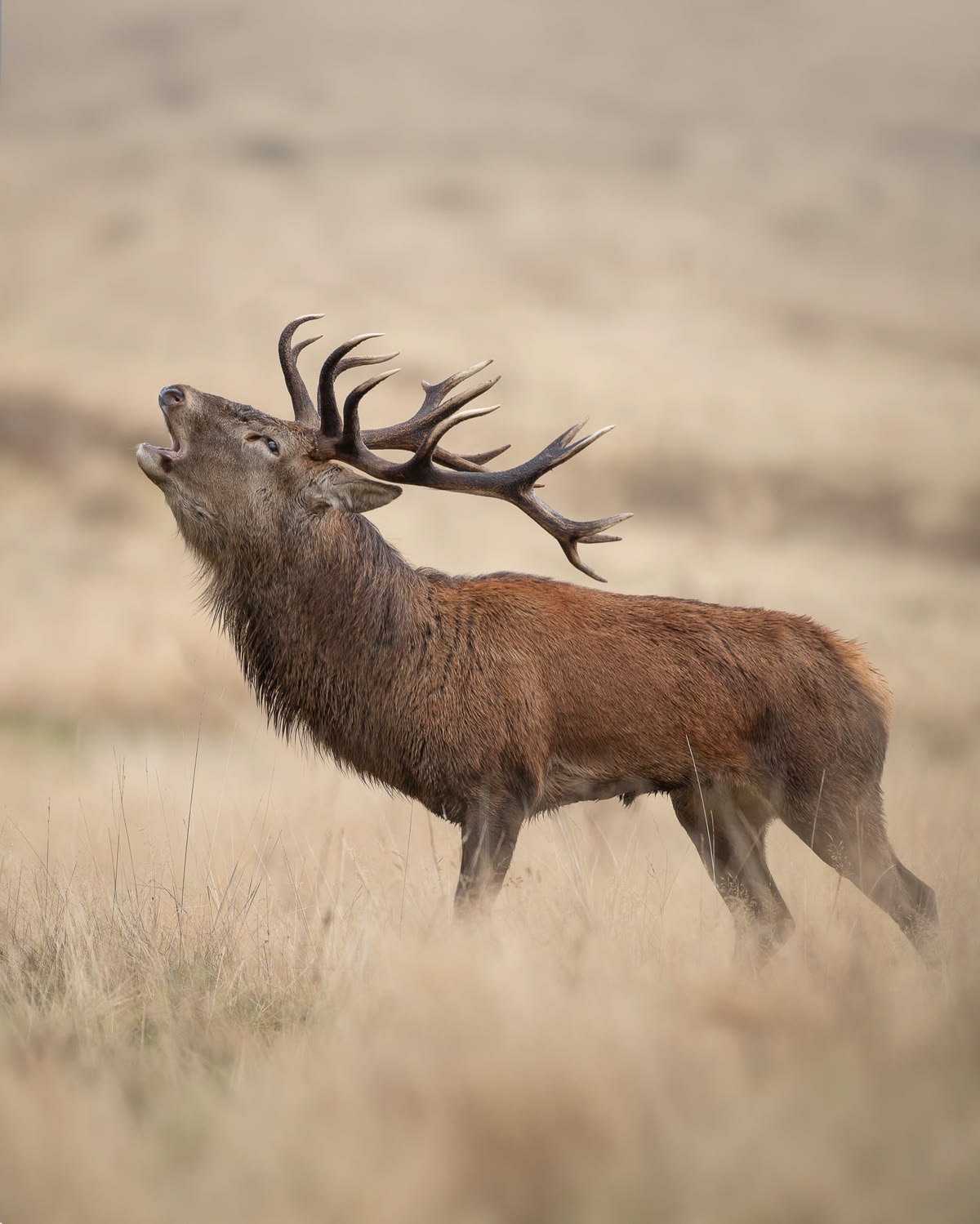
Reading the Rut: How Deer Behavior Changes and What to Do About It
Deer behavior shifts dramatically as the rut approaches, peaks, and winds down — and your strategy should shift with it. A look at how to recognize each phase and adjust stand placement, calling, and timing accordingly.
The rut changes almost everything about how deer move, and hunters who adjust their strategy to match each phase tend to see more consistent action than those who hunt the same way all season.
Pre-rut is marked by increased rub and scrape activity as bucks establish and mark territory, often still on fairly predictable daylight patterns tied to feeding and bedding. This is a strong window for scouting sign and confirming a mature buck is using a specific area, and calling tends to work well here since bucks are actively asserting dominance without full rut-driven distraction.
Peak rut brings the most dramatic shift — bucks range far outside their normal core areas chasing does, daylight movement increases significantly, and typical patterns become far less predictable. This unpredictability is actually an advantage for hunters willing to sit longer, less "obvious" stands, since bucks may show up in areas they rarely used earlier in the season. Calling and rattling tend to be most effective during this window, when bucks are actively searching and more willing to investigate.
Post-rut sees a return to more predictable behavior, but bucks are often worn down and highly food-focused after weeks of reduced feeding during peak chasing. Stands near reliable food sources tend to outperform travel-corridor setups during this phase, and patience matters — recovering bucks often move more cautiously than they did just weeks earlier.
A few adjustments worth making as the rut progresses:
Shift stand locations from travel corridors and rub lines during pre-rut toward doe bedding and feeding areas during peak rut, since that's where bucks will be searching.
Be willing to sit longer, less-scouted stands during peak rut — unpredictability cuts both ways.
Scale back or change your calling approach once you notice heavy chasing activity already underway; a deer mid-chase often won't respond to a call the way it would earlier in the sequence.
Prioritize food sources again once post-rut behavior sets in, rather than continuing to hunt rut-phase travel patterns.
Understanding which phase you're in — not just what the calendar says — is often the difference between a strategy that matches current deer behavior and one that's a week or two behind it.